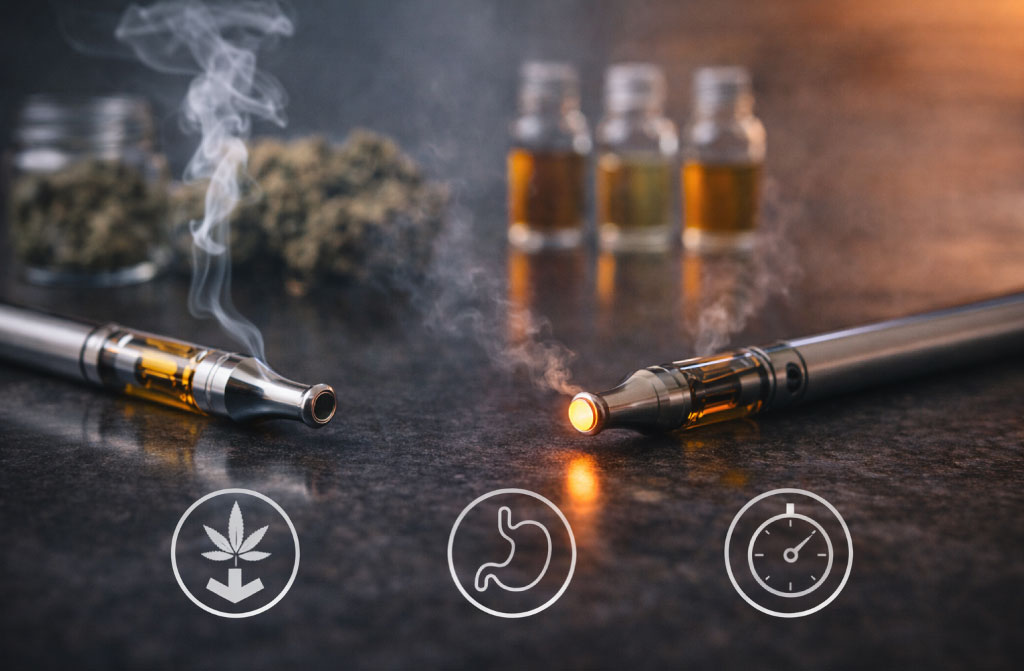
Cannabis vape user variability refers to the wide range of subjective and physiological responses people experience when using disposable cannabis vapes. Two individuals may take similar puffs from the same device and report entirely different outcomes—one experiences rapid clarity and stimulation, while the other feels overstimulated, anxious, or only mildly affected. This variability is not accidental, nor is it solely a matter of potency. It emerges from the interaction between concentrated cannabis extracts, human biology, and the unique delivery mechanics of vaporized aerosols.
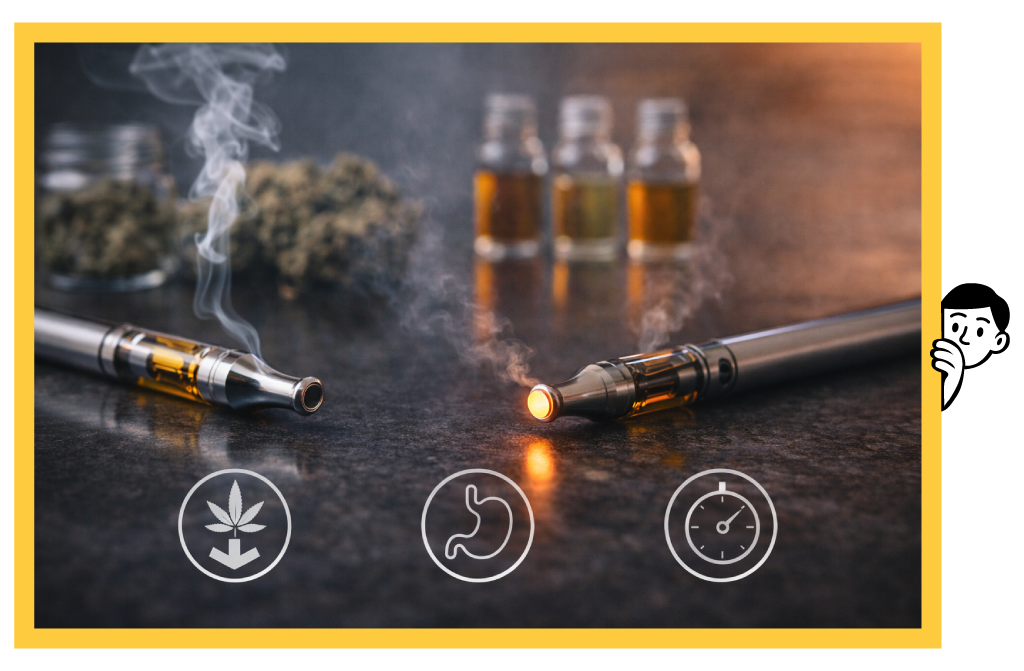
Disposable vapes can amplify differences between users because they deliver cannabinoids quickly and efficiently, often in a concentrated form. Understanding why this happens requires looking at tolerance, metabolic processing, and onset speed together rather than in isolation.
Why Disposable Cannabis Vapes Increase Variability
Unlike flower, which delivers cannabinoids through smoke with relatively large particles and variable combustion efficiency, disposable vapes aerosolize cannabis extracts into fine particles that are rapidly absorbed in the lungs. This delivery method reduces many of the “buffers” present in smoking, such as slower absorption and partial cannabinoid degradation during combustion.
As a result, disposable vapes tend to produce faster onset and sharper peaks, making individual differences more noticeable. Educational overviews on product formats and consumption variables can be explored through The Dispensaries of NJ, where product categories and learning-style content help contextualize how delivery method changes experience.
Tolerance: Extracts Interact Differently With the Endocannabinoid System
Tolerance is a central driver of cannabis vape user variability. Repeated exposure to THC leads to adaptive changes in the endocannabinoid system, particularly through downregulation and desensitization of CB1 receptors in the brain. When receptor signaling is reduced, the same amount of THC produces a weaker subjective response.
Disposable vapes complicate this process because extracts often contain higher concentrations of THC than flower. For users with high tolerance, this may restore noticeable effects. For users with low or moderate tolerance, the same concentration can overshoot the comfortable range, leading to overstimulation.
Tolerance also does not develop evenly across all effects. Cognitive effects may diminish faster than physiological responses, which explains why some users feel mentally “flat” yet physically stimulated. Research summaries and educational articles compiled by Project CBD emphasize that tolerance reflects neuroadaptation rather than product inconsistency.
Metabolism: Why THC Processing Speed Matters More With Vapes
After inhalation, THC enters the bloodstream rapidly and is distributed to the brain within seconds. From there, it is metabolized primarily in the liver by cytochrome P450 enzymes into active and inactive metabolites. Variability in these enzymes alters how long THC remains active in circulation and how quickly effects rise and fall.
Genetic differences in metabolic enzymes such as CYP2C9 can significantly change THC clearance rates. For readers who want access to indexed pharmacokinetic and clinical literature on cannabinoid metabolism, NIH’s NCBI provides the most widely used gateway to peer-reviewed studies.
Because disposable vapes deliver THC quickly, metabolic differences can become more apparent. A fast metabolizer may experience a sharp but brief effect, while a slower metabolizer may experience prolonged intensity from the same inhaled exposure.
Onset Speed: Why Vapes Feel “Instant” for Some Users
Onset speed is one of the defining characteristics of disposable cannabis vapes. Fine aerosol particles penetrate deep into the lungs and enter systemic circulation almost immediately. This rapid delivery compresses the timeline between dosing and effect, reducing the opportunity to self-correct.
For some users, fast onset is interpreted as clarity or efficiency. For others, it feels abrupt or overwhelming. Educational material in Leafly’s cannabis learning guides discusses how faster onset increases the likelihood of overshooting a comfortable threshold, particularly when puffs are taken in quick succession.
Onset speed also interacts with tolerance and metabolism. A user with low tolerance and slower THC clearance may experience both rapid onset and prolonged intensity, while a high-tolerance user may perceive the same device as mild or short-lived.
Inhalation Behavior: Puff Mechanics Add Another Layer
Disposable vapes are not measured-dose devices. Puff duration, interval between puffs, and inhalation depth all influence delivered dose. Longer puffs increase aerosol intake, while rapid puff cadence concentrates THC delivery into a short window.
This is why two users can share the same device and report different effects. The device may be consistent, but user behavior is not. Disposable formats make this difference more obvious because aerosol delivery is efficient and repeatable.
Product Context: Extract-Based Disposable Vapes
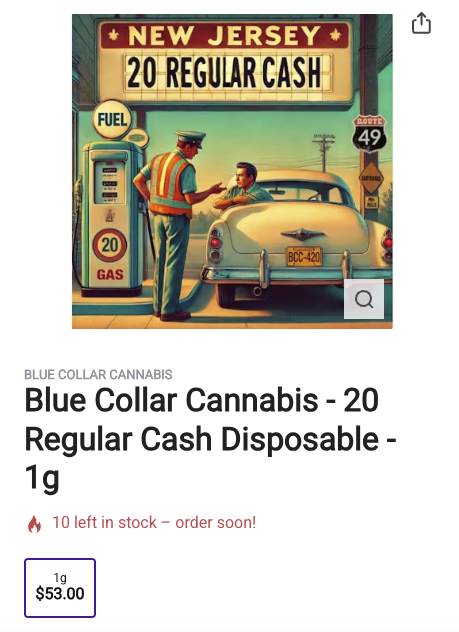
Extract-based products like the Blue Collar Cannabis $20 Regular Cash Disposable (1g) illustrate how standardized hardware can still yield variable experiences. While the extract and device remain constant, user-specific factors—tolerance, metabolism, onset sensitivity, and puff behavior—shape the outcome.
Using a disposable across separate sessions rather than continuous use can make it easier to observe response patterns and avoid interpreting a single session as the “true” profile of the product.
Core Drivers of Cannabis Vape User Variability
| Factor | Mechanism | Real-World Effect |
| Tolerance | CB1 receptor adaptation | Same vape feels weaker or stronger |
| Metabolism | THC clearance speed | Short vs prolonged effects |
| Onset speed | Rapid aerosol absorption | Abrupt or smooth experience |
| Puff behavior | Dose delivered per puff | Overshooting comfort threshold |
| Context | Mood and environment | Focus vs discomfort |
Why Cannabis Vape User Variability Matters
Understanding cannabis vape user variability helps explain why disposable vapes often generate polarized reactions. What feels efficient and controlled to one user may feel intense or uncomfortable to another. This variability is an expected outcome of combining high-efficiency delivery systems with diverse human biology.
Recognizing these drivers supports better expectation management and more consistent decision-making. Rather than relying solely on potency labels or anecdotal descriptions, observing response patterns over time—while keeping timing, context, and puff behavior consistent—provides a more reliable framework for interpreting extract-based products.
Choosing the Right Cannabis Products in New Jersey
Understanding cannabis product types, potency levels, and intended effects makes it easier to navigate dispensary options in New Jersey. With clear information and simple criteria in mind, selecting products that align with personal preferences becomes a more straightforward and confident process.